The Ancestor of Science Fiction: How Did Frankenstein Actually Come About?

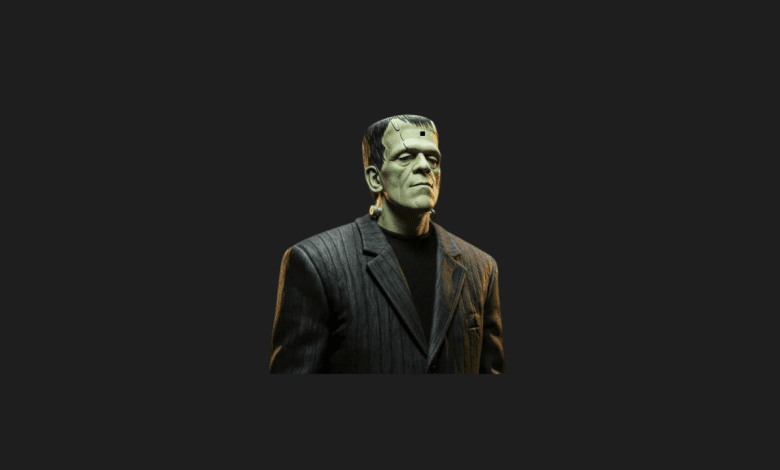

Frankenstein… A character intimately familiar to anyone acquainted with the science fiction and horror genres is once again coming to screens with a new movie. So, how was Frankenstein actually born? Here is the true story…
In 1815, Mount Tambora, a volcanic mountain on the north coast of Sumbawa Island in Indonesia, erupted in the largest volcanic eruption in history. The effects of the eruption would be immense. It was one of the deadliest eruptions in history. The explosion and subsequent tsunamis caused the deaths of at least 10,000 islanders and destroyed the homes of 35,000 people. Some estimates place the total death toll at over 70,000.
However, the impact of the eruption was not limited to this. The expected summer did not arrive. The following summer, most of Europe was covered in fog and even frost. Europe, Asia, and even North America experienced crop shortages for three years. Famines occurred due to the disturbed balance, and epidemics broke out. Some historians estimate that at least one million people died of starvation and tens of millions died from the cholera epidemic following the eruption of Mount Tambora.
It was in such an atmosphere that the story of Frankenstein began. But how?
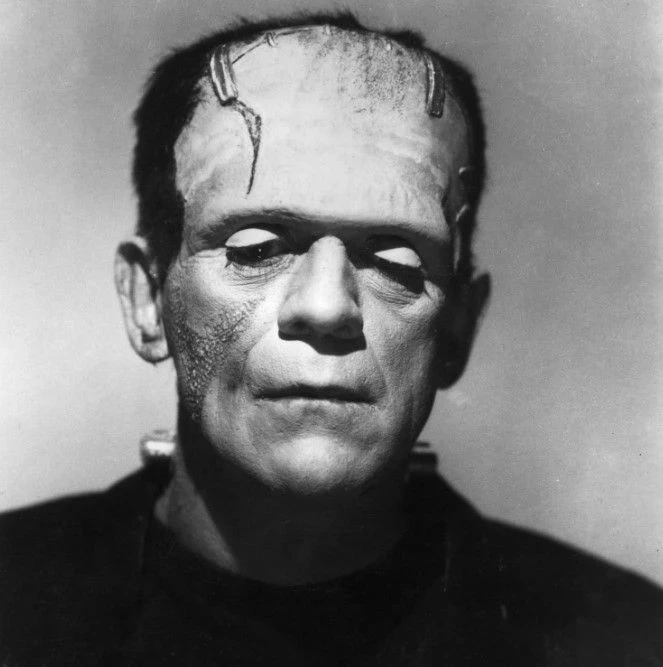
During these dark years, some of Europe’s greatest artists created works that would go down in history. One of these names was Mary Shelley.
The year was 1816. On a notably cold and rainy Swiss evening, despite it being summer, Shelley was on the shore of Lake Geneva. That year would go down in history as the “Year Without a Summer.”
According to History.com, Mary was traveling with her lover, the poet Percy Bysshe Shelley, their four-month-old baby, and her stepsister Claire Clairmont. At the time, Claire was pregnant with the child of the poet Lord Byron. This group had gathered at Villa Diodati on the shore of Lake Geneva. Byron’s doctor, John Polidori, was also at the villa.

Due to the terrible weather conditions, they often could not go outside. In fact, the atmosphere itself was like a horror movie.
As lightning echoed against the walls of the villa, their conversation turned to one of the most fervent debates of the time: Could human corpses be galvanized, that is, brought back to life after death?
One night, sitting by candlelight, Byron made a suggestion: Everyone should write a ghost story. Inspired by a tale Byron told, Polidori immediately got to work. His short novel, “The Vampyre,” published in 1819, would be the first work in literary history to feature a “blood-sucking protagonist.”
Mary Shelley, on the other hand, conceived the idea for “Frankenstein” that night. So, how did the idea emerge? Mary also wanted to write a story following Lord Byron’s suggestion, but no idea came to her for days. One night, while sleepless during a storm where thunder and lightning echoed, she had a dream. Mary would later describe the impact of that moment: “I saw the hideous phantasm of a man stretched out, and then, by the working of some machine, it began to show signs of life.”
The next morning, she said she had found her story idea. This idea would turn into the novel “Frankenstein; or, The Modern Prometheus” two years later. Mary had also incorporated the atmosphere she experienced at the villa that summer into the story.
The book, which Mary Shelley wrote at the age of 19, is often referred to as the world’s first science fiction novel.


You Might Also Like;